
What to Expect During a Land Survey
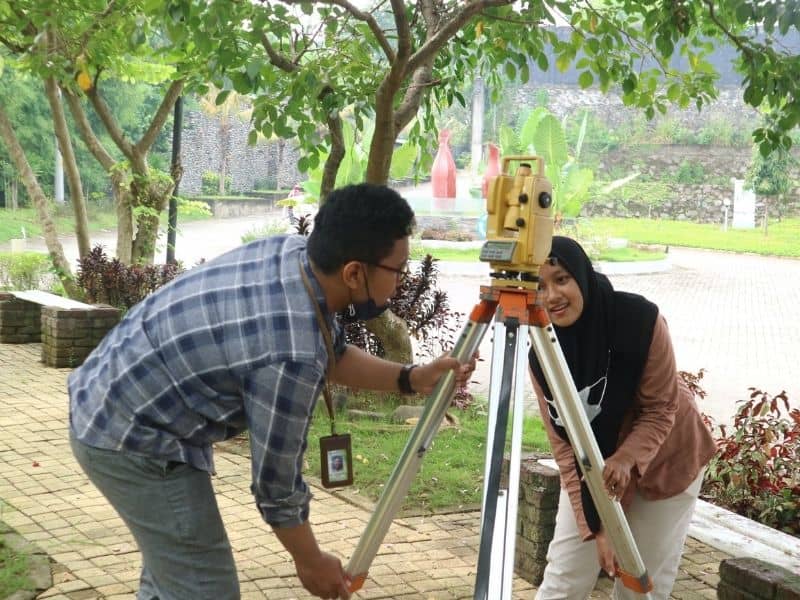
If you have never hired a land surveyor before, the process can feel like a mystery. What does the crew actually do on your property? How long will it take? What do you get when it is done?
Before the Survey Begins: What You Should Do
Before your surveyor ever sets foot on the property, there are a few things you can do to help the process go smoothly.
Start by gathering any documents you have. This includes your property deed, any past surveys, and your title insurance policy. Having these ready saves time during the research phase.
Also tell your surveyor why you need the survey. Whether you are buying a home, planning a build, or settling a dispute, knowing the purpose helps them focus on what matters most.
Make sure the surveyor has access to all parts of the property. Locked gates, pets, or blocked areas can slow things down or require a second visit.
Step 1: The Research Phase
Before any measurement happens, the surveyor spends time in the office reviewing records. This step is just as important as the fieldwork, even though you will not see it happening.
The surveyor pulls your property deed, legal descriptions, prior survey plats, and county records. They look at how neighboring properties are described in their deeds too. This helps them understand the full picture of your property and spot any gaps or conflicts before they head into the field.
This research phase can take anywhere from a few hours to several days. It depends on how old the property is, how well the records are kept, and whether any past surveys exist. Rural land with a long history often takes more time to research than a newer suburban lot.
Step 2: The Field Visit
The field visit is when the survey crew comes to your property to take measurements. This is the part most people picture when they think of a land survey.
The crew will arrive with equipment such as GPS receivers, total stations, and measuring rods. They use these tools to locate existing boundary markers, measure distances, and record features on and around the property. In some cases, they may also look for iron pins or concrete monuments that mark the corners of the lot.
You do not need to be home during the field visit, but it helps to be available by phone in case the crew has questions. If the crew cannot find a boundary marker, they may need to dig or use historical records to figure out where it should be.
For a standard residential lot, the field visit usually takes two to four hours. Larger properties, wooded land, or sites with complex histories can take a full day or more.
Step 3: The Drafting Phase
After the field visit, the surveyor takes all the data back to the office and turns it into a formal document called a survey plat.
This is done using computer-aided design (CAD) software. The plat shows the property boundaries, dimensions, corner markers, and any features noted during the field visit. It also includes the legal description of the property and any easements or encroachments that were found.
Once the drawing is complete, the licensed Professional Land Surveyor (PLS) reviews it carefully. If everything checks out, they sign and stamp the document with their official seal. That seal is what makes the survey a legal record.
The drafting phase typically takes a few days to a week after the field visit. Rush jobs are possible for an added fee.
What You Receive at the End
When the survey is finished, you will receive a certified survey plat and, in some cases, a written report.
The plat is your main deliverable. It is a detailed drawing of your property that shows everything the surveyor found. You should keep a copy for your personal records and provide a copy to your title company, lender, or attorney if needed.
In some cases, the surveyor may also set new boundary markers on the property, such as iron pins or stakes. These physical markers make it easy to see where your property lines are in the real world.
If the survey was done for a real estate transaction, a copy will typically go to the title company as part of the closing process. If the survey was done for a construction project, the builder or engineer will use it to plan the work.
How Long Does the Whole Process Take?
Most residential surveys are completed within one to three weeks from the date you place your order. Here is a rough breakdown:
- Research: 1 to 3 days
- Field visit: 2 to 4 hours for a standard residential lot
- Drafting and certification: 3 to 7 days
If you have a deadline like a closing date, let your surveyor know upfront so they can plan around it.
Questions to Ask Your Surveyor
Going into your first survey with a few questions ready is always a good idea. Here are some worth asking:
- What type of survey do I need?
- Will you set physical markers at the property corners?
- What happens if you find an encroachment or easement I did not know about?
- Are there any issues with my records that could cause delays?
A good surveyor will answer these clearly and without making you feel like you are asking too much.
Ready to Get Started?
Getting a land survey is a straightforward process when you know what to expect. The steps are clear, the timeline is predictable, and the end result gives you something valuable: legal proof of exactly what you own.
If you are ready to schedule your survey or just want to ask a few questions first, contact a licensed land surveyor in your area. It is one of the best investments you can make as a property owner.
Frequently Asked Questions
Do I need to be home when the survey crew visits?
No. The crew can do their work without you being there. It helps to let them know about any access issues ahead of time, such as locked gates or pets in the yard.
Will the surveyor talk to my neighbors?
They may need to if the survey involves a shared boundary line. This is a normal part of the process and does not mean there is a problem.
What if the surveyor finds something unexpected?
Your surveyor will let you know if they discover an encroachment, easement, or boundary error. They will explain what it means and what your options are. Finding an issue during a survey is always better than finding it during a legal dispute.
Can I use my survey results to settle a disagreement with a neighbor?
Yes. A certified survey is a legal document. It can be used in mediation, negotiations, or court proceedings if needed.