
Why Homeowners Should Keep Their Elevation Certificate Up to Date
A flood insurance review can bring a surprise, even for homeowners who haven’t changed a thing about their property. The home looks the same. The yard looks the same. Yet the price quote looks completely different from five years ago. The cause is rarely something the homeowner did. The flood maps or risk models behind that number have likely changed instead.
An elevation certificate is the document that usually sits at the center of this. It shows exactly how high a home sits compared to flood levels nearby. That one detail carries more weight than most homeowners realize until they actually need it.
Flood Risk Ratings and Insurance Requirements Can Evolve Over the Years
A flood zone label feels permanent once a homeowner gets used to it. It isn’t. Flood maps get updated now and then as agencies collect better data on rain, rivers, and coastal change. A home that sat outside a high-risk zone a decade ago can land in a new zone after a map update. Nothing on the property itself has to change for that to happen.
Rating methods shift too, apart from the maps. Insurance companies now weigh more small property details instead of just one flood zone label. Two homes on the same street, built to similar standards, can end up with different prices. The gap often comes down to small things like exact height, distance to water, and how the home was built.
Weather adds another layer of change. Some places that once saw mild rain now see harder storms. Risk models shift over time to match that. None of this happens overnight. Most homeowners never see one big jump. They just see price quotes that look a bit different each year. Checking flood risk data every few years, instead of assuming it stays the same, helps homeowners stay ahead of these shifts.
An Elevation Certificate Documents Critical Building Elevation Information
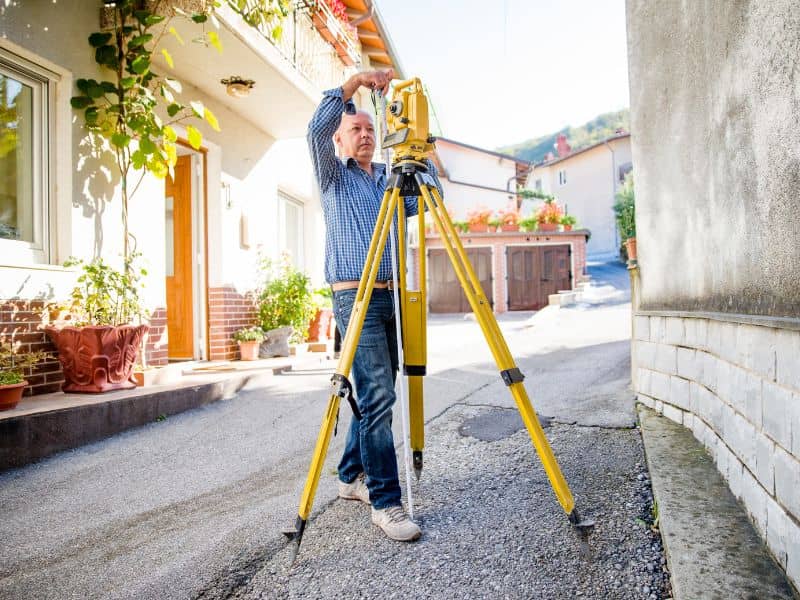
An elevation certificate records one clear fact. It shows how high a home’s lowest floor sits compared to the flood height set for that area. A licensed surveyor or engineer takes the measurements and fills out the form. The format is standard, so insurers and lenders know exactly what they’re looking at.
This document matters because it swaps guesswork for a real number. Two houses on the same street can carry very different flood risk based on how high each one was built. That’s true even if they sit at roughly the same ground level. A house built two feet above flood height acts very differently in a flood than one built two feet below it. The certificate puts an exact number on that gap.
Insurers use this data to set fair prices, instead of one flat rate based only on flood zone. Lenders check it when reviewing loans for homes near flood risk. Homeowners gain an honest record they can point to, instead of relying on memory when a flood question comes up.
Homeowners May Need an Elevation Certificate During Refinancing or Property Sales
Certain moments tend to bring elevation certificates back into the picture. This happens even for owners who haven’t thought about flood insurance in years. Refinancing a home loan on flood-zone property often leads a lender to ask for current paperwork. That’s especially true if the old certificate is missing.
Selling a home brings up the same issue. Buyers and their lenders often want to see elevation details before closing a deal. This matters most if the property sits near a flood zone on the map. A seller who already has a current certificate can answer questions right away. A seller without one often has to scramble for a new survey during a tight closing window.
Insurance companies sometimes ask for updated certificates too. This often happens after a map change shifts a property’s zone. A current certificate, ready ahead of time, makes the whole process move faster. There are fewer delays from waiting on a surveyor at the worst possible moment.
Improvements and Property Changes Can Affect Future Insurance Conversations
A home rarely stays exactly the way it was when its first elevation certificate was done. Additions get built. Areas beneath raised homes get enclosed. Garages turn into living space. Each change can affect how a property gets judged for flood risk later, sometimes in ways homeowners don’t expect.
A few specific changes tend to come up most often:
- An addition built at a different height than the original home
- A space beneath a raised home enclosed for storage or living
- Major fill or regrading added around the foundation over time
Keeping records of these changes, along with the original certificate, gives homeowners a clearer starting point. That helps later, when insurance or lending questions come up. A home changed since its last certificate may need new paperwork to match what’s actually been built.
Keeping Current Elevation Information Supports Long-Term Property Planning
Elevation information stays useful well past the moment a homeowner buys insurance or closes a sale. Anyone planning a big renovation benefits from knowing their home’s height details first. That detail can shape choices about foundation height, equipment placement, or whether flood-proofing makes sense for the project.
Homeowners looking into flood-proofing, like raising a home or adding flood vents, need solid starting data first. Without that starting point, it’s hard to know how much any given change would actually help.
This same information supports future choices too. That holds whether it means selling years down the road, or simply comparing the home to others nearby. Current elevation data turns flood risk from a vague worry into something a homeowner can actually plan around.
Frequently Asked Questions
What is an elevation certificate?
A qualified professional prepares this document. It records key height details about a structure.
Why can flood insurance costs change over time?
New flood maps, new rating methods, and property details can all shift the price over time.
When might a homeowner need this document?
Buying flood insurance, refinancing, selling a home, or meeting a lender request can all call for one.
Can an older certificate still be useful?
Yes. Old certificates can still help, though some cases call for fresh paperwork.
Who benefits from having one on hand?
Homeowners, buyers, lenders, insurers, and real estate agents all gain from accurate height records.